What a Home Remodel Costs in Atlanta Right Now
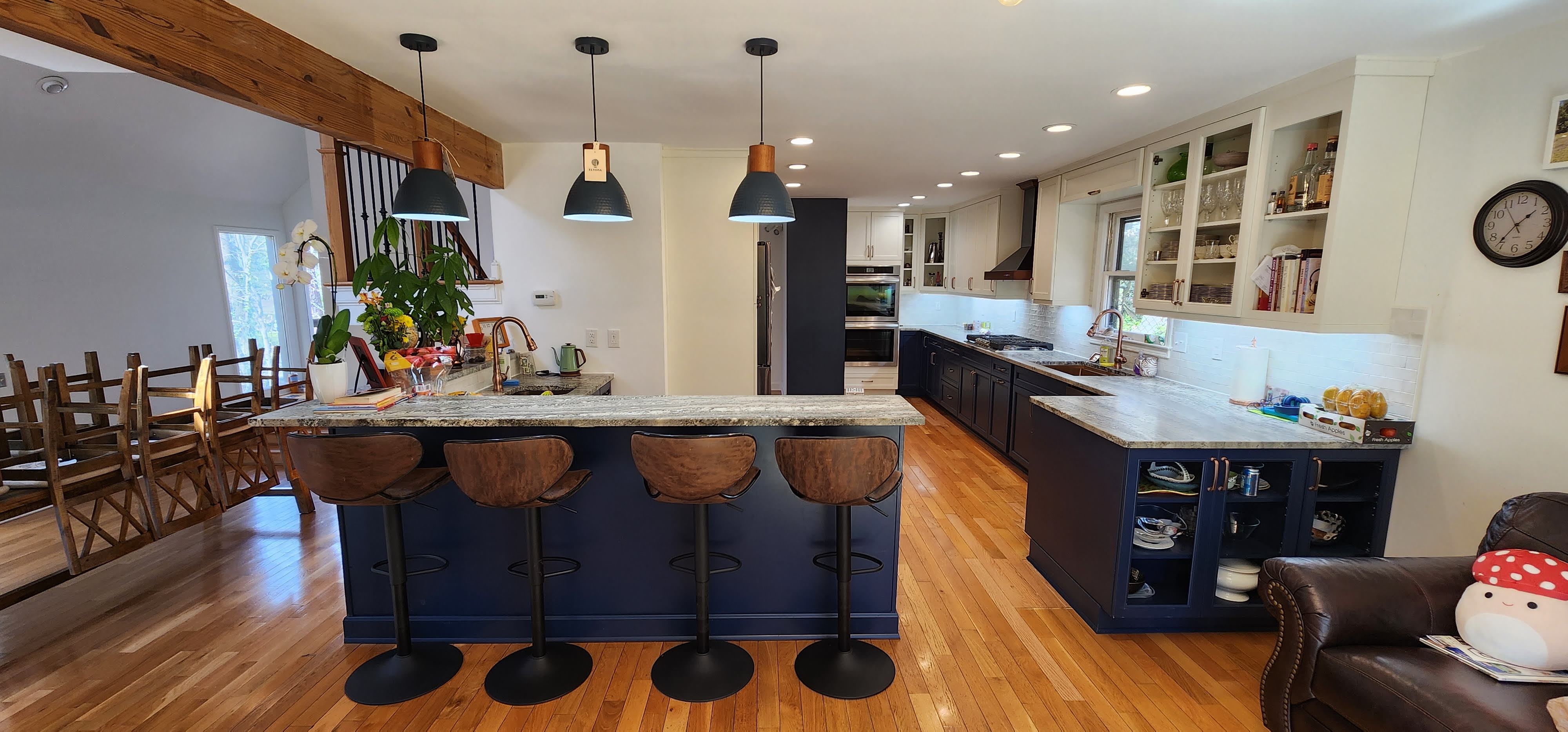
One Atlanta remodeling cost mistake shows up all the time: a project starts as “just update the kitchen,” then turns into new wiring, permit fees, plumbing moves, and a tile choice that costs three times more than expected. If you want a realistic budget before the first quote lands in your inbox, it helps to know what actually pushes the number up, and what only sounds expensive.
What drives remodeling costs in atlanta right now
In Atlanta, price is shaped by scope more than anything else. Swapping surfaces in the same layout is one kind of job. Opening walls, moving plumbing, or rebuilding older systems is a completely different animal.
Home age matters too. A newer house in the suburbs usually offers fewer surprises than a 1940s bungalow with aging pipes and uneven framing. Labor, finish level, permit requirements, and neighborhood expectations all add pressure to the total.
The biggest cost factors to know before you get quotes
Square footage matters, but complexity matters more. A small kitchen with custom cabinets, relocated gas lines, and structural work can cost more than a larger kitchen that keeps the same footprint.
The biggest drivers are layout changes, electrical and plumbing moves, finish level, and custom work. Stock materials keep costs lower. Custom millwork, specialty stone, handmade tile, and built-ins raise them fast. The catch is that older homes often hide expensive problems behind the walls, so the pretty part of the remodel is only part of the budget.
Why atlanta pricing can vary so much from one neighborhood to another
A remodel in Buckhead may be priced differently than one in Decatur or Virginia-Highland, even if the room size looks similar on paper. Access can be tighter in older in-town neighborhoods. Parking, deliveries, narrow lots, mature landscaping, and stricter expectations for finish quality all affect labor and logistics.
Older homes also tend to come with older systems. If your house still has outdated wiring, patched plumbing, or settling that shows up once demo begins, the job gets more expensive quickly.
Typical atlanta remodeling costs by project type
Broad ranges are more useful than fake precision, because one choice can swing the price dramatically.
Kitchen remodel cost in atlanta
A cosmetic kitchen refresh often runs about a full system replacement investment. That usually covers paint, cabinet refacing or simple replacements, new counters, backsplash, lighting, and appliance swaps without major layout changes.
A midrange kitchen remodel often lands between a major project investment. That budget can include semi-custom cabinets, better countertops, new flooring, upgraded lighting, and some plumbing or electrical changes.
A high-end custom kitchen in Atlanta often starts around a major project investment and can move well beyond a major project investment. At that level, you are paying for custom cabinetry, premium appliances, layout rework, specialty finishes, and design-heavy details.
Bathroom remodel cost in atlanta
A powder room refresh may fall between a major project investment depending on tile, vanity, and fixture choices. A standard full bathroom remodel often ranges from a major project investment.
A primary bathroom renovation usually starts around a major project investment and can run past a substantial project cost that depends on access, code requirements, and restoration. Large showers, frameless glass, double vanities, heated floors, plumbing relocations, and full-height tile are common budget climbers.
Whole-home renovation cost in atlanta
A lighter whole-home renovation, mostly finishes and fixtures, may run about a relatively modest cost for that type of work per square foot. A deeper renovation that touches layout, systems, windows, insulation, and structural work can reach a relatively modest repair total for that kind of fix per square foot or more.
That gap matters. New floors and paint across the house feel very different from rewiring, reconfiguring rooms, and replacing old plumbing.
Home addition and custom build costs
Additions often surprise people because the per-square-foot number is usually higher than expected. A room addition may start around a relatively modest cost for that type of work per square foot. A second-story addition or major expansion can climb beyond that because structural reinforcement, stairs, roofing, and system tie-ins get complicated fast.
Custom home construction is a different category entirely. It usually starts higher, includes site work and full-house systems from scratch, and follows a different budgeting logic than remodeling.
What you get at different budget levels
Price means more when you connect it to outcome.
Entry-level updates vs midrange remodels
An entry-level remodel usually improves looks and function without major construction. Think paint, fixtures, counters, some flooring, cabinet updates, and maybe a vanity or appliance swap. If your layout already works, this can be money well spent.
Midrange budgets buy more flexibility. You can often get better materials, more tailored storage, and selective layout changes. That is usually where a remodel starts feeling truly transformed instead of just fresher.
High-end renovation budgets
Luxury budgets are driven by custom work. Custom cabinetry, premium stone slabs, oversized islands, built-ins, large-format tile, specialty lighting, integrated appliances, and smart home features add up quickly.
Here’s the thing: custom work changes the budget fast. A project can move from polished to expensive in a heartbeat once every detail becomes one-off.
Costs that catch homeowners off guard
Sticker shock rarely comes from one giant surprise. It usually comes from a pile of smaller ones.
Permits, design fees, and inspections
Before demo starts, you may already be paying for drawings, design help, engineering, permits, and inspections. Those soft costs are easy to overlook because nothing visible has changed yet, but they are part of the real project total.
Demolition, disposal, and hidden repairs
Tearing things out costs money too. Demo labor, debris hauling, dumpster fees, and dust protection all belong in the budget. Then come the classics: water damage, rotten subfloors, outdated wiring, old plumbing, and possible lead or asbestos concerns in older homes.
Temporary living and timeline-related costs
A kitchen remodel can quietly raise your grocery bill because takeout starts looking very convenient. Storage, pet boarding, off-site stays, and schedule overruns can all add cost around the edges.
How to budget smart for an atlanta remodel
A good budget starts with priorities, not finishes.
Build a renovation budget in the right order
Start with must-haves. Then separate the nice-to-haves. After that, choose your finish level early, because cabinets, tile, plumbing fixtures, and lighting set the tone for the whole budget.
Leave room for contingency, which is just a cushion for the stuff you cannot see yet. That cushion is not optional. It is part of the plan.
How much contingency to keep
For newer homes and simpler projects, 10 percent may be enough. For older Atlanta homes, especially in-town properties with aging systems, 15 to 20 percent is a safer number.
If walls are opening, a bigger cushion makes sense. No one enjoys finding old plumbing in a house near East Atlanta Village and pretending it was never going to matter.
When it makes sense to phase a project
Phasing can protect your budget without killing the vision. You might remodel the primary bath now and save the basement for later. Or update finishes first, then handle layout changes in phase two.
That approach works best when each phase can stand on its own and does not create expensive rework later.
How to compare remodeling quotes without getting fooled by the cheapest number
A low quote can feel like a win. Sometimes it is just a delayed problem.
What a good quote should include
A solid quote should spell out scope of work, labor, materials, allowances, demo, permits, timeline, payment schedule, and exclusions. Allowances are placeholder budgets for items you have not selected yet, like tile or fixtures.
If the quote is vague, your final price will not stay low for long.
Red flags in low bids
Watch for missing permit language, unrealistically short timelines, tiny allowances, skipped cleanup, and missing finish details. The cheapest quote often gets expensive later, especially when change orders start rolling in.
Common remodeling mistakes that raise costs
Most budget mistakes are preventable.
Changing the plan after work starts
Changing direction mid-project is like changing your dinner order after the pan is already hot. It creates rework, delays, added labor, and often wasted materials.
The more decisions you lock in before demo, the more stable your budget tends to be.
Choosing finishes too late
Late selections stall schedules. Then you end up rushing, paying for upgraded substitutes, or waiting on backorders that stretch labor costs.
Underestimating older-home issues
Atlanta’s older homes have charm, but charm does not update wiring. If your house is older, assume some hidden repairs are coming. That is not pessimism. That is just smart budgeting.
How to decide what kind of remodel fits your home and goals
The right remodel depends on what is actually wrong with the space.
Best fit for a kitchen or bath refresh
A lighter remodel makes sense when the layout works, plumbing can stay put, and your goal is better function with less disruption. If cabinets are solid and the room mostly needs cosmetic help, this route can go a long way.
Best fit for a full renovation
A full renovation fits when outdated finishes show up across multiple rooms, the flow is awkward, or old systems need attention anyway. If you just bought a house that needs a near-total reset, piecemeal work can cost more in the long run.
Best fit for an addition or custom build
An addition or custom build makes sense when your current layout is simply too cramped to fix with clever design alone. If you keep forcing the house to do something it cannot do, you spend a lot without really solving the problem.
Before you request quotes, try one simple thing: write down your must-haves, your finish level, and the parts of the house you refuse to compromise on. That short list will do more for your budget than guessing ever will.
- Disclaimer: This article is for general informational purposes only. It is not professional advice, a quote, or a service agreement. Conditions at your home or property may differ; contact a qualified professional for an on-site evaluation before making repair, safety, or spending decisions.
Disclaimer: This article is for general informational purposes only. It is not professional advice, a quote, or a service agreement. Conditions at your home or property may differ; contact a qualified professional for an on-site evaluation before making repair, safety, or spending decisions.
Tired of guest week chaos?
Tell us where traffic fails when family stays over. We will outline remodel fixes that match how you host.