Second Story Additions: Maximizing Property Value in Sandy Springs and Roswell
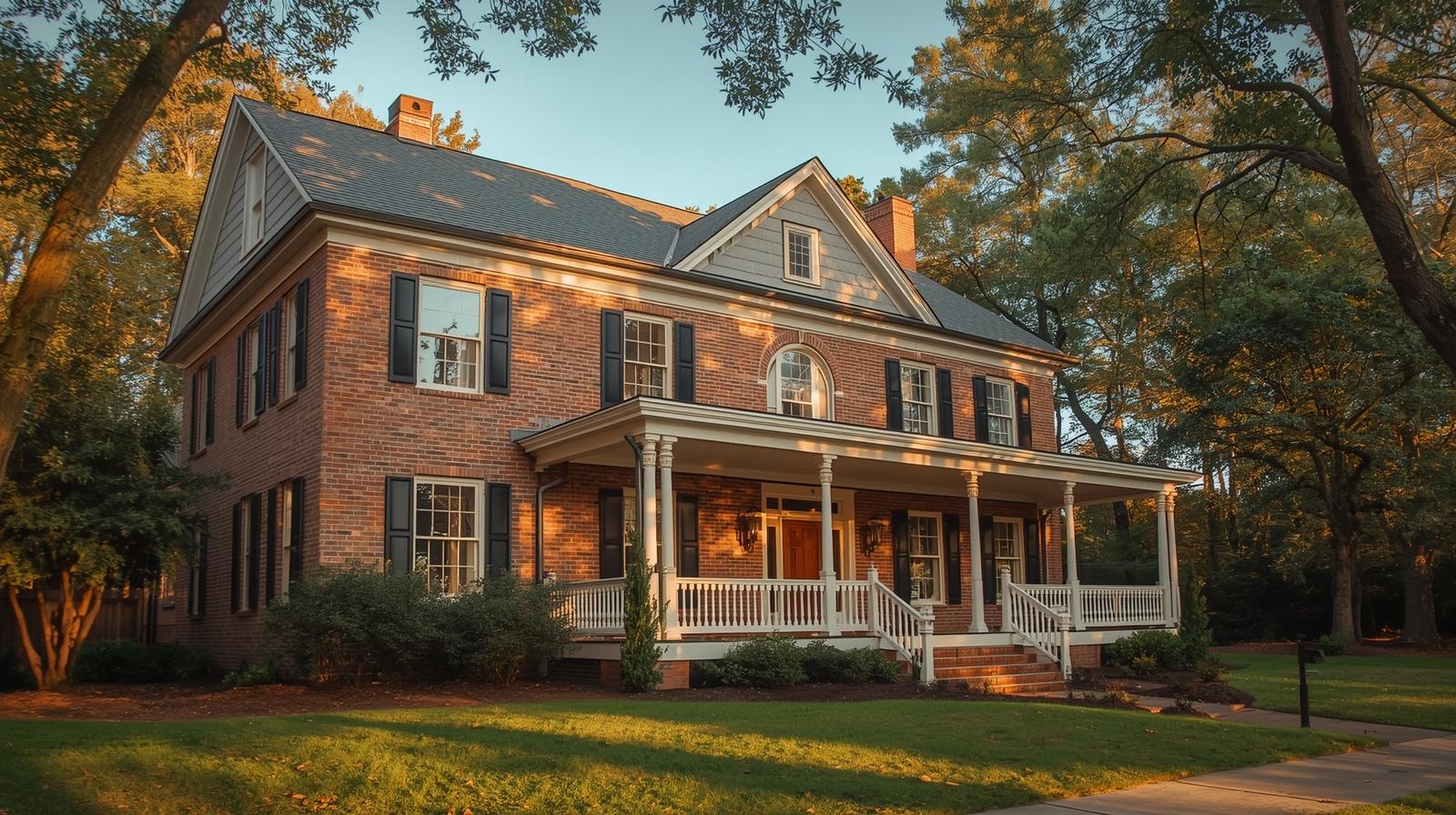
Ranch-style homes dominate many established North Atlanta neighborhoods, from Roswell's riverside communities to Sandy Springs' tree-lined streets. As families grow and property values soar, second story additions offer compelling alternatives to relocating, providing dramatic space increases while preserving neighborhood connections and mature landscaping.
Evaluating Your Home's Second Story Potential
Not every home suits vertical expansion, making professional structural assessment essential before planning. Foundation evaluations determine load-bearing capacity—critical for homes in East Cobb and Marietta where soil conditions vary significantly. Most post-1960 ranches feature foundations capable of supporting additional stories, though reinforcement may be necessary.
Roof structure significantly impacts project complexity and cost. Simple gable roofs common in Dunwoody and Peachtree Corners facilitate straightforward additions, while complex hip roofs require extensive reframing. Understanding these structural implications early prevents budget surprises and timeline extensions.
Zoning restrictions vary across North Atlanta municipalities. Sandy Springs maintains specific height restrictions and setback requirements that impact second story designs. Historic districts in Druid Hills impose additional architectural review requirements ensuring additions complement neighborhood character. Early consultation with local planning departments streamlines approval processes.
Existing mechanical systems require careful evaluation. HVAC systems sized for single stories need upgrading to handle doubled square footage. Electrical panels in older Roswell homes often require replacement to support additional circuits. Plumbing extensions for upstairs bathrooms must consider existing pipe locations and water pressure requirements.
Design Strategies for Seamless Integration
Successful second story additions appear original to homes rather than obvious add-ons. Architectural continuity—matching rooflines, window styles, and exterior materials—creates cohesive appearance essential for property value protection in established neighborhoods like Brookhaven and Chamblee.
Interior staircase placement represents the most critical design decision. Central locations minimize hallway requirements upstairs while maintaining downstairs flow. However, homes in Johns Creek with existing open floor plans might benefit from perimeter stair placement preserving great room integrity.
Natural light strategies prevent cave-like lower levels after additions. Dormers, skylights, and strategic window placement ensure both floors receive adequate daylight. This proves particularly important for north-facing homes in Alpharetta where natural light already presents challenges.
.jpg)
Construction Logistics and Living Arrangements
Second story additions disrupt daily life more than ground-level expansions, requiring realistic planning. The process typically spans 4-6 months, beginning with roof removal—necessitating temporary relocation for most families. However, phased approaches allowing partial occupancy are possible for larger homes in Buckhead or Johns Creek.
Weather timing proves crucial in Georgia's climate. Starting construction in late spring allows roof completion before fall's unpredictable weather. This timeline also positions projects for completion before holiday seasons when families throughout North Atlanta prefer settled conditions.
Protection of existing finishes requires meticulous planning. Dust control systems, protective coverings, and defined construction access routes minimize damage to first-floor spaces. Professional contractors experienced with occupied renovations understand these requirements, particularly important for luxury homes in Buckhead maintaining valuable furnishings.
Neighbor communication prevents conflicts in close-knit communities. Proactive outreach explaining project scope, timeline, and noise mitigation efforts maintains goodwill essential in established neighborhoods from Druid Hills to Dunwoody. Consider hosting informal meetings addressing concerns before construction begins.
.jpg)
Cost-Benefit Analysis for North Atlanta Markets
Second story additions typically cost $150-250 per square foot in North Atlanta markets, varying with finishes and complexity. This investment often proves more economical than purchasing larger homes in the same neighborhoods, particularly given current market conditions and mortgage rates.
Property value increases generally range from 60-75% of project costs, with higher returns in supply-constrained neighborhoods. Sandy Springs and Roswell, where large lots remain scarce, see particularly strong returns on vertical expansions. The ability to remain in top-rated school districts adds unmeasurable value for families.
Tax implications deserve consideration. Property tax reassessments following major additions can significantly impact ongoing costs. However, the alternative—purchasing a larger home—typically triggers even higher tax obligations given North Atlanta's escalating property values.
Financing options include home equity loans, construction loans, and cash-out refinancing. Each approach offers advantages depending on existing mortgage terms and available equity. Local lenders familiar with North Atlanta markets often provide better terms than national institutions unfamiliar with area-specific values.
.jpg)
Explore Your Home's Second Story Potential
CRM Construction's design-build expertise has successfully completed hundreds of additions throughout Sandy Springs, Roswell, and North Atlanta.