Kitchen Remodel Costs in Atlanta: A Realistic Guide
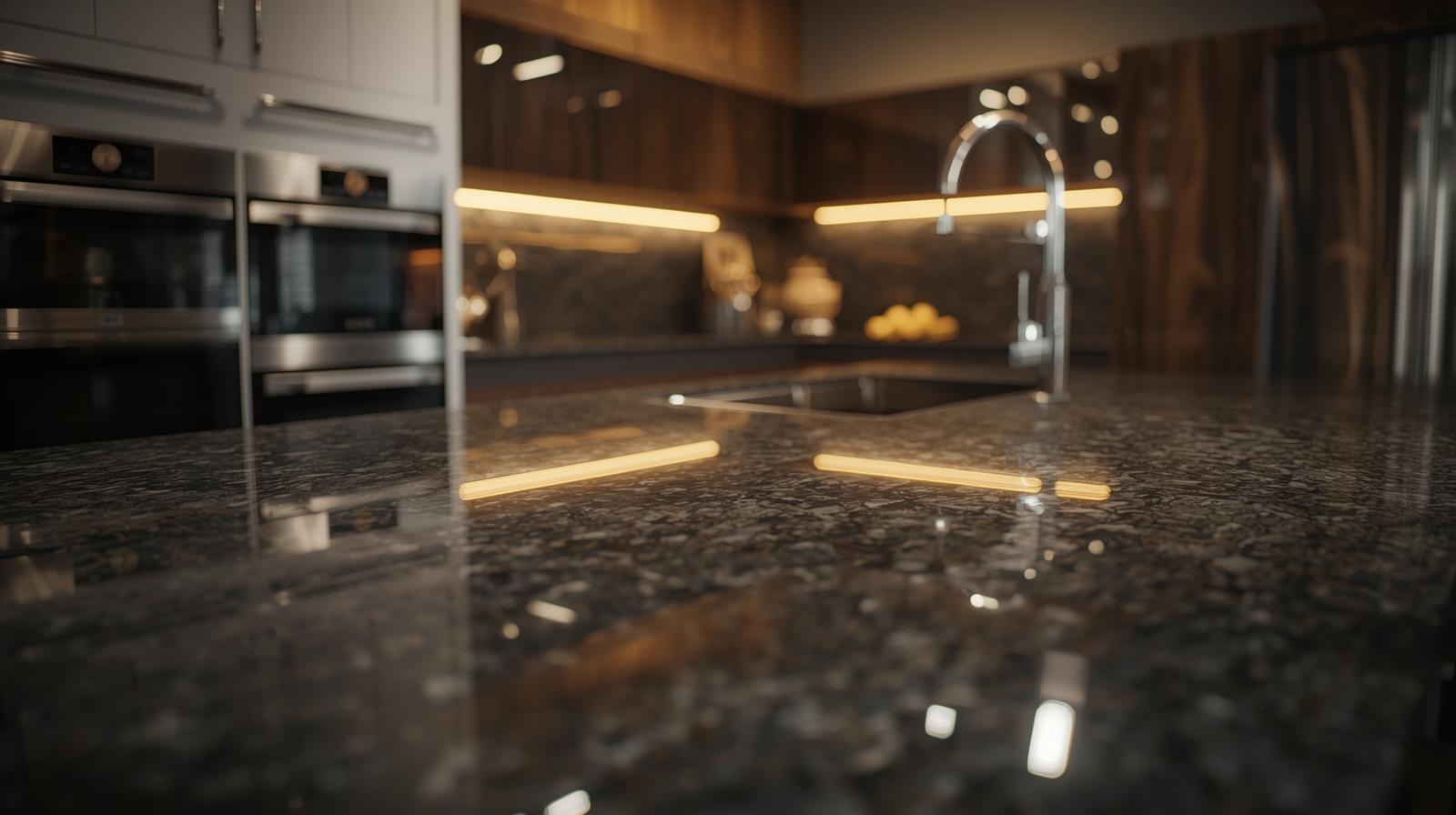
Kitchen remodel pricing can feel all over the place until you break it into a few plain categories. If you’re trying to pin down your kitchen remodel cost Atlanta range, the trick is to look at size, scope, and finish level first, because those three things move the number faster than anything else.
What a realistic kitchen remodel costs in atlanta right now
In Atlanta, a light kitchen refresh can land around a major project investment a more standard remodel often falls between a major project investment and a high-end custom project can climb past a major project investment without much effort. That spread sounds huge, but it makes sense once you see what is actually included at each level.
A cosmetic update is one thing. A full gut renovation with custom cabinetry, new lighting, moved plumbing, and premium appliances is something else entirely. Calling both a “kitchen remodel” is a bit like calling both a paint touch-up and a whole-house exterior repaint the same job.
Typical atlanta price ranges by project level
A cosmetic update usually means keeping the layout, avoiding major construction, and improving what is already there. Think painted walls, new hardware, updated lighting, maybe a backsplash, possibly cabinet refinishing if the cabinet boxes are still solid. That is the lower end of the market.
A standard remodel usually includes new cabinets, countertops, sink, faucet, flooring, lighting, and appliances, while keeping most plumbing and walls in roughly the same places. This is where many Atlanta homeowners land when the goal is a kitchen that works better and looks current without turning the house upside down.
A high-end custom remodel pushes into a different category. That often means custom cabinets, layout changes, premium stone, panel-ready appliances, tailored storage, upgraded ventilation, statement lighting, and more trade work behind the walls. Once you start opening walls in a Brookhaven ranch or reworking an older Decatur kitchen, costs can rise quickly.
Why atlanta prices can differ from national averages
Atlanta is not one uniform market. Labor demand, permit requirements, traffic, lead times, and the age of your home all shape pricing. A kitchen in a newer suburban home with a simple layout is usually more predictable than a kitchen in an older in-town home where nothing is quite square.
Neighborhood expectations matter too. In Buckhead, Brookhaven, or parts of Decatur, higher finish levels are often the norm, which can affect not just material choices but the level of detail expected in cabinetry, millwork, and installation. The catch is that even a “simple” remodel in those areas may involve a more polished result than a national average price assumes.
The biggest factors that change your kitchen remodel cost
Here’s the thing: the number does not jump because of one magic factor. It usually changes because several choices stack on top of each other. Bigger room, nicer cabinets, moved sink, upgraded electrical, surprise subfloor repair. Suddenly the budget has moved by tens of thousands.
Size of your kitchen
Larger kitchens cost more because almost every finish expands with the footprint. More floor means more flooring. More wall space means more paint. More perimeter means more cabinetry, more countertop, and more backsplash. Labor hours rise with every added surface.
But size is not the whole story. A smaller kitchen with a tight, awkward layout can cost more per square foot than a larger, simpler one. Corners, structural obstacles, and odd dimensions tend to create custom solutions, and custom solutions rarely come cheap.
Scope: refresh, rip-and-replace, or full gut
A refresh keeps most of the kitchen intact. You are improving the look, not reinventing the room.
A rip-and-replace goes further. Cabinets, counters, fixtures, appliances, and finishes get replaced, but the basic layout stays in place. This is often the sweet spot for value because you get a major visual and functional improvement without paying for lots of relocated plumbing or electrical.
A full gut remodel starts close to scratch. Walls may open up, electrical circuits may be added, gas lines may move, windows may change, and the whole kitchen may function differently. The price jumps because construction gets more involved, not just because the finishes are nicer.
Finish level and material choices
Material choices can change your budget fast, much like adding options to a car until the sticker suddenly looks unreal. Stock cabinets are the most budget-friendly. Semi-custom gives more flexibility in sizes, finishes, and storage features. Custom cabinetry gives you nearly complete design freedom, and you pay for that freedom.
The same pattern shows up everywhere else. Basic quartz and premium quartz do not cost the same. A simple tile backsplash and a full-height slab splash do not cost the same. Even the details, edge profiles, drawer accessories, integrated lighting, can quietly add up.
Layout changes and trade work
Moving systems is one of the fastest ways to increase cost. Relocating a sink to a new island sounds simple on paper, but it can mean plumbing changes, slab work, electrical updates, and sometimes venting adjustments too.
The same goes for lighting. Swapping one old ceiling fixture for a new one is minor. Adding recessed lights, under-cabinet lighting, pendants over an island, and dedicated circuits for new appliances is a different level of work. It is usually worth it, but it needs to be budgeted honestly.
Where the money usually goes in an atlanta kitchen remodel
Most homeowners care less about abstract percentages and more about where the check is actually going. In most remodels, cabinetry leads the list, followed by labor, countertops, appliances, and the less glamorous construction details that make the room function properly.
Cabinets: usually the biggest line item
Cabinets often take the largest share of the budget because they combine material, fabrication, finish, hardware, delivery, and installation. Stock cabinets cost less, but sizing and style options are narrower. Semi-custom cabinets hit a practical middle ground for many projects. Custom cabinets cost more because every dimension and detail is tailored to your kitchen.
If your cabinet boxes are in good shape, refinishing or refacing can lower costs. That only works when the existing layout still serves you and the cabinet structure is worth saving. If storage is poor, drawers are failing, or the footprint needs to change, patching the old setup usually turns into false economy.
Countertops and backsplash
Countertop pricing depends on material, slab availability, edge detail, cutouts, and installation complexity. Laminate is the budget option. Quartz is popular because it is durable and low maintenance. Granite still appeals for natural variation. Marble looks beautiful but asks more from you in maintenance.
Backsplashes are another place where “small area” thinking can fool you. A basic tile backsplash is manageable. A patterned installation, premium handmade tile, or full-height stone splash behind the range can move the budget more than expected.
Appliances, fixtures, and lighting
Appliances can fit neatly into a budget, or they can blow it apart. Standard packages keep things under control. Pro-style ranges, built-in refrigeration, specialty beverage units, and custom hoods can shift the project into a much higher tier almost overnight.
Fixtures and lighting matter just as much in daily use. A better faucet, deeper sink, proper task lighting, and strong ventilation improve how the kitchen feels every single day. Honestly, good lighting is one of the best upgrades in the room, and it is often undervalued early in planning.
Flooring, paint, and finish carpentry
These are the supporting players that make the remodel feel done. Flooring replacement may involve leveling, transitions into adjacent rooms, or patching where old cabinets sat. Paint sounds simple until drywall repairs, trim work, and ceiling touch-ups enter the picture.
Finish carpentry is where the polished look comes from. Crown details, paneling around an island, trim returns, and clean transitions create that finished feel people notice right away, even if nobody says the words “finish carpentry” out loud.
Costs that surprise homeowners during remodeling
This is the part that catches people off guard. Not because the costs are hidden on purpose, but because you cannot fully see a kitchen until demolition starts.
Permits, design, and project planning
Design fees, field measurements, drawings, permits, and planning time are real costs. It can be tempting to treat them as optional, but that usually backfires. Better planning upfront tends to reduce expensive changes later.
A detailed plan also makes estimates more accurate. Without clear selections and scope, your quote may be full of allowances, which are placeholder numbers for items not chosen yet. If those allowances are too low, your “budget” only looked good on paper.
Water damage, old wiring, and other behind-the-wall issues
Older Atlanta homes often come with surprises behind the walls. Water damage under a sink, outdated wiring, venting that does not meet current expectations, uneven floors, plumbing patched over the years, all of it can show up once cabinets come out.
The catch is that none of this is cosmetic. If problems are found, fixing them is usually the right call, because covering them back up only delays the expense and can make the final result worse.
Temporary kitchen setup and living disruption
A kitchen remodel changes daily life more than most people expect. For several weeks, maybe longer, cooking is limited. That can mean more takeout, a microwave station in the laundry room, or washing dishes in a bathroom sink, which gets old fast.
That disruption has a cost, even if it does not show up as a formal line item. Planning for it helps keep the project from feeling more stressful than it needs to.
How to set a realistic budget without overspending
A good budget is not just a number. It is a set of priorities with enough breathing room to survive real-world construction.
Start with your non-negotiables
Pick the upgrades that will change your daily life first. Better storage. A larger island. Stronger task lighting. A vent hood that actually clears the air. Those are the decisions that tend to pay you back every day.
Do that before getting distracted by every finish sample and trendy detail. Otherwise, it is easy to spend heavily on surfaces while missing the fixes that would have made your kitchen work better.
Leave room for contingency
A contingency is your buffer for the unknown. In a straightforward remodel, that may be modest. In an older home or full gut renovation, it should be larger.
Without that cushion, one behind-the-wall surprise can throw the whole project off balance. With it, you still have options.
Know where to save and where to spend
Saving usually works best when you keep the layout, mix higher and lower priced finishes, and choose semi-custom instead of fully custom where it makes sense. You do not need the most expensive option in every category to get a beautiful kitchen.
Spending tends to pay off most in cabinetry quality, durable counters, solid hardware, ventilation, and anything you touch every day. Those choices shape how the kitchen functions long after the novelty of a statement tile wears off.
Common mistakes that make kitchen remodels cost more than expected
Some budget problems come from the house. Others come from decisions. The second group is easier to fix.
Changing the plan mid-project
Late changes create a domino effect. A different appliance size may affect cabinet widths. A cabinet change may affect countertop fabrication. A lighting revision may require more electrical work. What looked like one small swap can ripple through schedule and labor.
Making decisions early is not glamorous, but it saves money.
Chasing the lowest bid
The cheapest quote is not the cheapest project. That is true often enough to say plainly.
A low bid may leave out scope, rely on unrealistic allowances, or gloss over labor details that turn into change orders later. If one estimate comes in dramatically lower than the others, look harder, not faster.
Underestimating timeline and decision load
Remodeling involves a surprising number of decisions, and each one affects ordering and scheduling. If materials are not selected in time, progress can stall like a dinner recipe when the key ingredient is still at the store.
That is especially true for special-order cabinets, stone slabs, and appliances. Delays are not always about construction. Sometimes they start with unanswered emails and unfinished selections.
What to expect from timeline, process, and contractor pricing
Knowing how the process usually unfolds makes it much easier to compare proposals and spot gaps before construction starts.
Typical kitchen remodel timeline in atlanta
Most projects move through planning and design first, then selections and ordering, then demolition, rough-in work, installation, and a final punch list for corrections and touch-ups. A smaller update may move relatively quickly. A custom remodel with permits and specialty materials can take much longer.
Permit timing, custom fabrication, and older-home surprises can stretch the schedule. That does not always mean something is going wrong. Sometimes it simply means the project is real.
How estimates are usually structured
Some parts of a proposal may be fixed-price, while others may use allowances for items not fully selected yet. Labor and materials may be combined in one line or broken out in detail. Change orders cover anything added or revised after the contract is signed.
The more specific the estimate, the easier it is to compare. Vague language is where confusion starts. If two proposals look different, the scope may be different too, even when the project title sounds the same.
What to ask before hiring a remodeler
Ask how scope is defined, what is included, how changes are handled, and who manages communication. Confirm licensing, insurance, timeline expectations, subcontractor coordination, and experience with Atlanta-area permitting and older homes.
A remodeler who knows how to work through the realities of an older in-town house can save you more frustration than a flashy proposal ever will.
Kitchen remodel cost examples by homeowner goal
The same kitchen budget does not fit every goal. Your best number depends on what you want the finished space to actually do.
If you want a strong update without moving walls
This approach usually focuses on layout discipline. Keep plumbing where it is, improve storage where possible, replace cabinets and counters if needed, update lighting, and choose durable finishes that look fresh without drifting into luxury pricing.
For many homes, this is the smartest value point. You get a kitchen that feels dramatically better without paying for major structural or system changes.
If you want a more custom, higher-end kitchen
A more custom kitchen usually means more than nicer finishes. It often includes tailored storage, upgraded appliance packages, better lighting layers, stronger ventilation, island design changes, and cabinetry built around the way you actually cook and live.
That is where investment climbs, but it is also where the kitchen can start to feel truly personal instead of just newly installed.
If your kitchen remodel is part of a larger home renovation
Bundling the kitchen into a larger renovation can create efficiencies in scheduling and trade coordination. If flooring, electrical, paint, or layout work already extends into nearby spaces, some costs can be shared across the project.
But complexity rises too. A larger renovation usually means more moving parts, more decisions, and a longer timeline. If your kitchen is part of a main-floor rework or addition, expect the kitchen budget to reflect both the room itself and the bigger construction picture.
Try this before requesting estimates
Before you ask for pricing, make one simple list: your must-haves, your nice-to-haves, and the things you are willing to leave alone. That single step makes kitchen remodel cost Atlanta conversations far more accurate, and it helps you spend on the parts of the project you will actually notice every day.
- Disclaimer: This article is for general informational purposes only. It is not professional advice, a quote, or a service agreement. Conditions at your home or property may differ; contact a qualified professional for an on-site evaluation before making repair, safety, or spending decisions.
Disclaimer: This article is for general informational purposes only. It is not professional advice, a quote, or a service agreement. Conditions at your home or property may differ; contact a qualified professional for an on-site evaluation before making repair, safety, or spending decisions.
Tired of guest week chaos?
Tell us where traffic fails when family stays over. We will outline remodel fixes that match how you host.