Fall Is the Right Time to Fix Deck Ledger Flashing Before Winter Rains
Fall in North Atlanta is a practical window for deck work. Cooler days make outdoor repairs easier, and winter rains are still ahead. The detail that most often decides whether a deck stays sound is ledger flashing where the structure meets the house—not the boards you see from the yard.
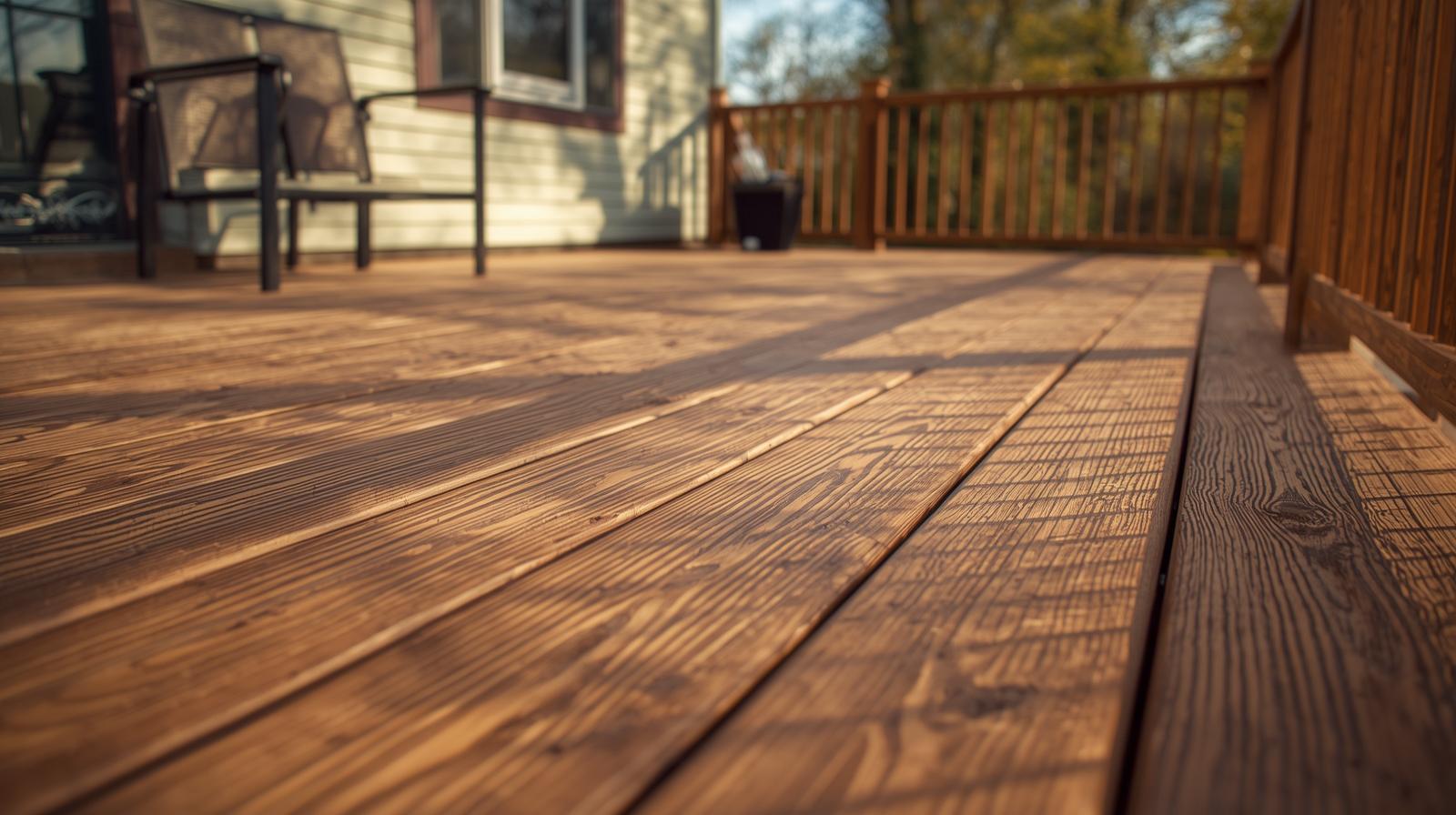
A deck ledger transfers load into the house framing. If water sits behind that connection, fasteners corrode and wood softens where you cannot see it from the patio. Peeling stain or a soft spot near the house wall is often a symptom, not the root cause. Replacing boards without fixing the ledger path leaves the same moisture problem in place.
Walk the connection line before you schedule a cosmetic refresh. Look for staining on siding above or below the ledger, soft trim, missing or short flashing, and fasteners that look rusty or oversized from past repairs. On older homes with additions, confirm whether the ledger hits solid framing or only sheathing. That check changes the repair scope more than color choice does.
Flashing has to shed water out and away, not trap it. Continuous flashing integrated with house wrap or weather barrier, proper end dams, and clearance so cladding does not bury the detail all matter. A partial patch that looks neat from the yard can still funnel water into the rim joist. Ask how the repair ties into existing siding and whether any cladding must come off to do the job correctly.
Fall timing also helps with coatings and board replacement once the structure is sound. Sealers and stains cure better in moderate weather than in midsummer heat or winter chill. If structural fasteners or ledger work are required, complete that before you invest in a full refinishing cycle. Otherwise you may sand and coat boards that need to come up again.
Before Winter Rains Arrive
Photograph the ledger line, note any interior ceiling stains under the deck, and list how the family uses the space—grilling, covered seating, or open entertaining. Access for ladders, plantings against the house, and HOA rules can affect how flashing is replaced. Mention those constraints early so the crew plans protection for landscaping and finishes.
The main decision is whether the ledger assembly needs repair, partial rebuild, or monitoring after surface work. A clear recommendation should separate safety and moisture issues from optional upgrades like railing style or lighting. If two approaches are on the table, you should understand what each one protects against—not only which one finishes faster.
During the site visit, we connect what we see at the house wall to how you use the deck and adjacent outdoor living areas. You do not need to diagnose flashing yourself. You need a plan that fixes the water path before winter weather tests every weak joint again.
Ready to check the deck ledger before winter weather?
Send photos of the ledger line and any staining near the house wall. We will separate flashing repairs from optional refinishing.
Disclaimer: This article is for general informational purposes only. It is not professional advice, a quote, or a service agreement. Conditions at your home or property may differ; contact a qualified professional for an on-site evaluation before making repair, safety, or spending decisions.