12 Kitchen Upgrade Ideas That Make Daily Life Easier
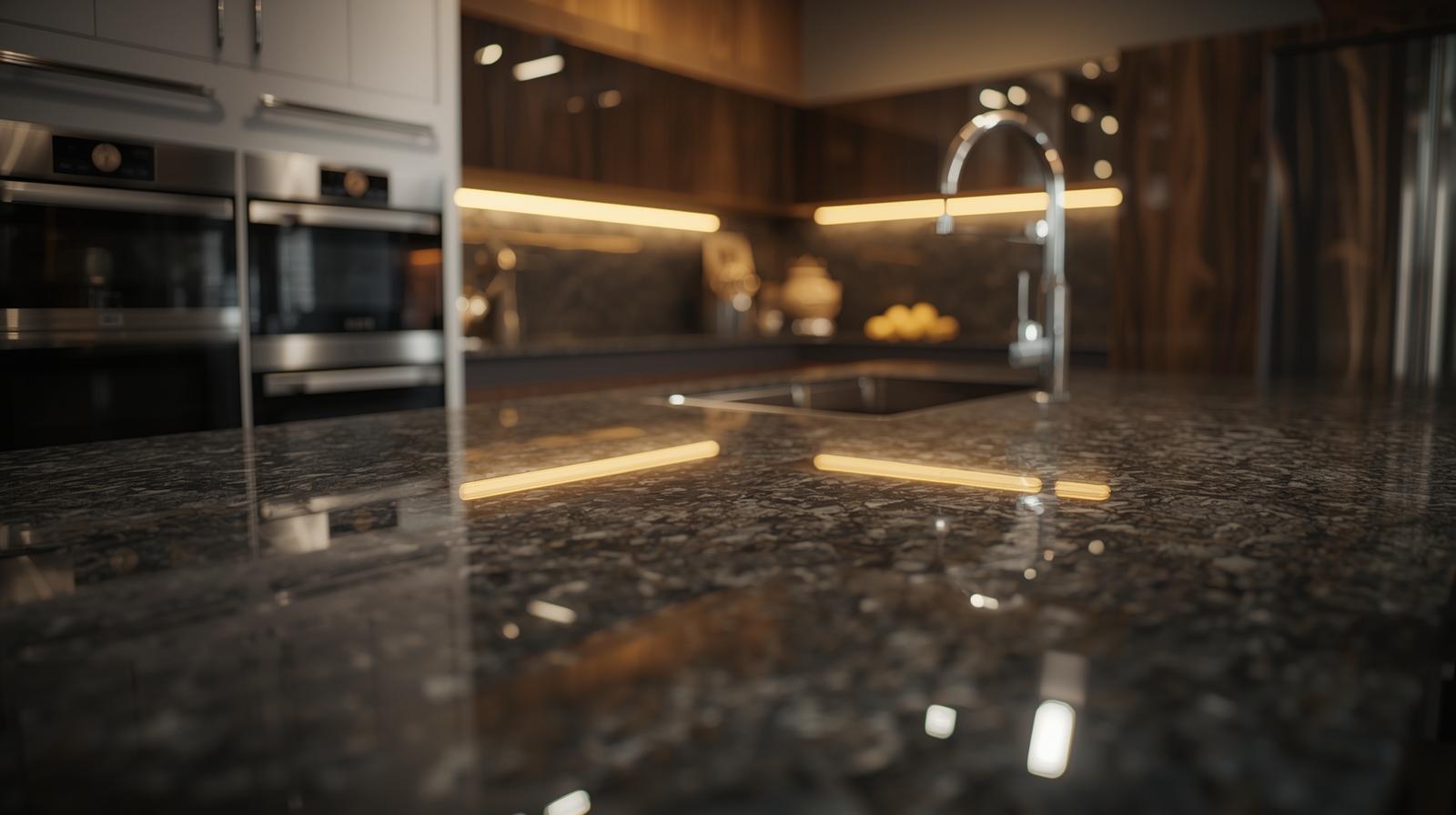
You notice a bad kitchen most on an ordinary Tuesday. Maybe the dishwasher door is down, the pasta water is ready, somebody cuts through the room at the worst possible second, and suddenly a simple dinner feels like obstacle course training. The best kitchen upgrade ideas fix that kind of friction, quietly saving you steps, time, and irritation every single day. Some upgrades do make the room look better, but the real winners improve flow, storage, lighting, and cleanup in ways you feel immediately.
1. Improve your layout so the kitchen stops fighting you
A kitchen can have beautiful finishes and still be annoying to use. If you keep crossing the room for basic tasks, or if somebody always ends up standing exactly where you need to be, layout is the problem.
The old rule you hear about is the work triangle. In plain English, that just means the sink, range, and refrigerator should sit close enough to move between them easily, without long hikes or awkward detours. It still matters, especially in smaller kitchens. But in larger or open Atlanta homes, zones often work even better because life in the kitchen rarely follows a perfect triangle anymore. You prep, someone else grabs coffee, lunch gets packed, and the dishwasher gets unloaded all at once.
Rework the path between the sink, range, and refrigerator
Start by noticing where your kitchen jams up. If the refrigerator door blocks the main walkway, if the dishwasher opens into the prep area, or if carrying groceries means weaving around an island corner, your layout is wasting energy.
A remodel can fix this in very practical ways. Shifting an island a few inches, widening an aisle, or moving one major appliance can completely change how the room feels. In a tight kitchen, even gaining a clearer path from sink to range can make weeknight cooking faster. In a larger space, the goal is less about squeezing everything together and more about removing bottlenecks so your kitchen stops making ordinary tasks harder than they need to be.
Create clear zones for prep, cooking, cleanup, and grab-and-go
Zones are exactly what they sound like. One area for prep, one for cooking, one for cleanup, and one for quick-grab items like coffee mugs, water bottles, lunch supplies, or breakfast basics.
That separation matters more than people expect. A dedicated prep zone near the sink keeps chopping and rinsing in one place. A cleanup zone near the dishwasher makes unloading faster because dishes go back to nearby cabinets instead of across the room. A grab-and-go zone near the fridge helps busy mornings feel less chaotic. The trick is simple: put things where you use them, not where tradition says they belong.
2. Add an island that earns its square footage
An island is one of the smartest kitchen upgrade ideas, but only if it works harder than just looking pretty in listing photos. A good island gives you prep space, storage, seating, and a place to land everything from groceries to pizza boxes.
The catch is that an oversized island can make a kitchen feel cramped and clumsy. One that is sized correctly becomes the center of daily life, which is exactly what you want.
Build in storage and seating where you’ll actually use it
The most useful islands hide a lot of function below the countertop. Deep drawers are better than big empty cabinets for pots, mixing bowls, lunch containers, and small appliances because you can pull everything out instead of kneeling and digging. If your kitchen gets used for homework, coffee, or casual dinners, comfortable seating matters just as much. A proper overhang gives knees somewhere to go, which sounds obvious but gets missed all the time.
Think about how your day actually unfolds. If breakfast happens at the island, make room for that. If serving dinner buffet-style is more your speed, prioritize open landing space and storage on the working side. The best version fits your habits, not a showroom setup.
Include outlets and landing space
An island without power is a missed opportunity. Outlets make a real difference when you use a mixer, plug in a laptop, charge a phone, or set out a slow cooker during a gathering. It is one of those details that feels invisible until you do not have it.
Landing space matters just as much. You need somewhere to drop grocery bags, set down baking trays, unload takeout, or cool cookies without taking over every other counter. That clear, usable surface becomes the pressure-release valve for the entire kitchen.
3. Upgrade to better cabinet storage, not just more cabinets
More cabinets do not automatically mean a better kitchen. If the inside of those cabinets still makes you crouch, reach, stack, and search, you have just added more places to lose things.
Smart storage changes the daily experience far more than sheer quantity. That is why this upgrade pays off so often.
Swap fixed shelves for pull-out shelves and deep drawers
Fixed shelves waste space and hide what you own. Pull-out shelves bring pantry goods, pots, and small appliances to you. Deep drawers do the same thing for cookware, dishes, and food storage containers. Instead of rummaging in the dark back corner of a base cabinet, you pull once and see everything.
This is one of the biggest quality-of-life improvements in any remodel. You stop crouching for heavy Dutch ovens. You stop forgetting about ingredients because they got buried behind bulk paper towels. And your kitchen feels less like a storage puzzle.
Use vertical dividers, tray storage, and drawer organizers
Some of the most annoying kitchen clutter comes from awkward items, not big ones. Cutting boards, sheet pans, platters, pot lids, and serving trays never stack neatly for long. Store them upright with vertical dividers and suddenly the cabinet works with you instead of collapsing every time you pull one thing out.
Drawer organizers do the same job for utensils, wraps, spices, and random kitchen tools. Nothing here is glamorous, but honestly, these are the fixes you appreciate every single day because they cut visual mess and wasted motion.
Take cabinetry to the ceiling if you’re remodeling
If you are already remodeling, take the cabinets to the ceiling. It gives you more storage, eliminates that dust-catching gap at the top, and makes the room look more finished and custom.
This is especially effective in Atlanta homes with taller ceilings, where standard-height cabinets can look a little undersized. The uppermost storage can hold seasonal platters, extra serving pieces, or things you do not need every week. You gain function and a cleaner look at the same time.
4. Install task lighting where you actually work
One overhead fixture is almost never enough. If your shadow falls across the cutting board, or if the counters feel gloomy after sunset, your kitchen is asking for better lighting.
Good lighting is not about drama. It is about being able to chop safely, wipe counters properly, and enjoy the room at night without feeling like you are standing under a parking lot floodlight.
Add under-cabinet lighting for counters
Under-cabinet lighting solves a very specific problem: upper cabinets block light right where you need it most. Add lighting beneath them and your counters become brighter, clearer, and easier to use. Reading a recipe, measuring ingredients, and using small appliances all get easier because you can actually see what you are doing.
It also makes the whole kitchen feel calmer at night. Instead of blasting every ceiling light, you can switch on a softer layer that still works hard.
Layer pendants, recessed lights, and dimmers
Here is the simple version. Task lighting helps you work, ambient lighting fills the room, and accent lighting adds warmth or highlights a feature. A kitchen needs all three, even if you do not think of them in those terms.
Recessed lights handle broad, even coverage. Pendants bring focused light over an island or peninsula. Dimmers let the room shift from breakfast rush to dinner party without feeling harsh. That layered approach is what makes a kitchen feel comfortable instead of flat.
5. Choose countertops that handle real daily wear
Countertops get judged for looks first, but daily life judges them differently. Can they handle spills, hot pans, sticky baking projects, and rushed cleanup without becoming one more thing to worry about?
That is the better question.
Prioritize stain resistance and easy cleanup
If you cook often, low-maintenance matters. Surfaces that resist staining and wipe clean easily save more hassle than any dramatic pattern ever will. Quartz is popular for that reason. It handles daily mess well and does not demand constant sealing. Natural stone can be beautiful too, but some options ask more from you in return.
Match the material to your habits. If red sauce, coffee, olive oil, and school snack spills are regular visitors, choose a surface that does not punish normal use. Your countertops should support your life, not turn you into a cautious museum guard.
Add more uninterrupted landing space
Usable counter space is not just about square footage. It is about where that space sits. A clear stretch near the refrigerator helps with unloading groceries and making lunches. Space next to the sink helps with rinsing and prep. Room beside the range gives you a place for utensils, hot pans, and ingredients.
A kitchen feels easier when you can set things down exactly where the task happens. It is such a basic need, but it changes everything.
6. Upgrade the backsplash into an easier-to-clean workhorse
A backsplash can absolutely be a style moment, but it should also make cleanup easier. Grease, splashes, and steam hit those walls constantly, especially behind the range and around the sink.
So yes, looks matter. But easy maintenance matters more than people admit.
Extend the backsplash for better protection and a custom feel
Running the backsplash higher on the wall gives you more protection where you need it. Behind the range, taking tile or slab material up to the hood creates a cleaner, more finished look and protects a high-splash area. In some kitchens, carrying the material to the ceiling in key spots makes the entire room feel more intentional.
It also cuts down on those awkward painted strips that seem to collect every cooking mishap. Less exposed wall usually means less scrubbing.
Pick materials with fewer grime-catching joints
Tiny tile with lots of grout lines can look great, but it asks for more cleanup. Grease and dust love joints, corners, and texture. Larger-format tile or slab-style backsplash materials reduce the number of places grime can settle, which makes wiping down the kitchen faster.
Here’s the thing: a backsplash should not become a maintenance hobby. If you want a cleaner-lined, lower-fuss kitchen, fewer seams is usually the smarter move.
7. Replace your sink and faucet with ones that save steps
A sink and faucet upgrade sounds small compared with cabinets or layout, but you use this setup constantly. Prep starts there. Cleanup ends there. If it is awkward, shallow, or undersized, you feel it every day.
This is one of the least flashy upgrades with one of the biggest daily payoffs.
Go bigger or deeper if your current sink slows you down
A large single-basin sink often works better than a divided sink because it handles sheet pans, stock pots, cutting boards, and oversized cookware without awkward angling. If your current sink makes washing big items feel like a wrestling match, it is too small.
Depth matters too, though balance matters. A sink that is too deep can be hard on your back. The sweet spot gives you room to work without forcing you to hunch. In a busy kitchen, that kind of comfort adds up fast.
Add a pull-down faucet and useful extras
A pull-down faucet makes rinsing produce, spraying corners, and filling big pots easier. Multiple spray modes are helpful because not every task needs the same water pressure. Touch or touchless features can also be genuinely convenient when your hands are sticky from dough or raw chicken prep.
Filtered water at the sink is another upgrade that quietly earns its keep. The goal is not gimmicks. The goal is fewer awkward workarounds during the most repeated tasks in your kitchen.
8. Make your pantry smarter and easier to see
A bad pantry wastes money as much as time. You buy a second jar of cumin because you cannot find the first one. Snacks get buried. Pasta boxes tip over. Dinner starts with a scavenger hunt.
A better pantry fixes all of that.
Convert a closet or cabinet into a true pantry zone
Even a modest closet or tall cabinet can become a real pantry if you give it structure. Adjustable shelves let you fit cereal boxes, canned goods, small appliances, and serving pieces without wasting vertical space. Pull-outs help in deeper spaces where things tend to disappear.
The key is giving the pantry a job. Baking items together, lunch supplies together, breakfast items together, snacks in one easy spot. Once categories have a home, the whole kitchen gets easier to run.
Use shallow storage and visibility to your advantage
Pantries work best when you can see almost everything at a glance. Shallow shelves are better than deep black holes because nothing gets lost in the back. Good visibility speeds up meal prep and makes grocery planning less guesswork and more reality.
That is especially useful on a rushed weeknight. Open the pantry, spot what you actually have, and move on. No excavation required.
9. Pick appliances that match how you actually cook
Appliance shopping gets derailed by features fast. But the best appliances are not the ones with the longest spec sheet. They are the ones that fit your kitchen and support how you cook.
That sounds obvious, but it saves a lot of regret.
Choose sizes and configurations that suit your space
Scale matters. A massive refrigerator can overpower a smaller kitchen and block movement when the doors are open. A range with the wrong clearance can crowd nearby counters. Even the dishwasher door swing can become a daily annoyance if it collides with the main path.
Look at how doors open, how much landing space surrounds each appliance, and how the room functions when more than one person is in it. The appliance should fit the kitchen, not force the kitchen to adapt around it.
Consider convenience upgrades like wall ovens or induction
Induction means the cooktop heats the pan directly through electromagnetic energy, instead of heating a burner first. In plain English, it boils water fast, gives you precise control, and leaves a smoother surface that is easier to wipe clean. It is also a safer option in many homes because the surface around the pan stays cooler than traditional electric cooking.
Wall ovens are another upgrade worth serious thought if bending over a range oven gets old. Better access makes baking, roasting, and checking dishes easier. These choices are not about trend chasing. They make everyday cooking more comfortable.
10. Build in everyday convenience features
Some of the best upgrades are not dramatic enough to get their own before-and-after photo. You just notice that the kitchen feels calmer, quieter, and easier to use.
That is the whole point.
Add soft-close drawers, charging spots, and better outlet placement
Soft-close drawers and doors reduce noise and feel better every single time you use them. It is a small luxury that quickly becomes normal. Charging spots also help control clutter, especially if your kitchen counter tends to become the default home for phones, tablets, and random cords.
Outlet placement deserves more attention than it gets. Outlets where you actually use appliances save extension-cord gymnastics and awkward setup. A kitchen feels far more custom when the basics are simply in the right place.
Include trash, recycling, and appliance garages
Trash and recycling need a real plan, not a bin stuck wherever it fits. Pull-out waste storage near prep space makes cleanup faster because scraps and packaging go exactly where the work happens.
Appliance garages do the same thing for visual clutter. If your toaster, coffee gear, or blender lives on the counter full time, hidden storage can keep those items accessible without making the room feel crowded. The trick is easy access. If it is annoying to open and use, you will stop using it.
11. Open up the kitchen to light, views, and conversation
An enclosed kitchen can feel cut off, even if it has plenty of square footage. Opening sightlines changes more than the look of the room. It changes how the space feels to live in.
Cooking gets less isolated. The room gets brighter. Traffic usually moves more naturally.
Consider wider openings or removing the right wall
Opening the kitchen to a dining or living area can improve both movement and connection. Entertaining gets easier because conversation does not stop at a doorway. Serving dinner takes fewer trips through a choke point. Even everyday routines feel smoother when the kitchen is part of the flow instead of a separate box.
Of course, structure matters. Not every wall can simply disappear. But widening an opening or removing the right wall during a remodel can completely change how your home works.
Bring in more natural light where possible
Natural light makes a kitchen feel bigger, cleaner, and more welcoming. Larger windows, better-placed glass doors, or rethinking blocked openings can have a huge effect. In Atlanta, late-afternoon sunlight can turn an ordinary kitchen into the best room in the house, especially if the layout lets that light spread instead of hitting a wall and stopping.
It is not just about brightness. A kitchen with better daylight feels more connected to the rest of your home and to the yard beyond it.
12. Refresh finishes that make the whole room feel easier to live in
Not every upgrade has to involve moving walls or appliances. Sometimes the smartest finish changes make the kitchen feel cleaner, lighter, and less fussy to maintain, which absolutely counts as easier daily living.
Looks and function are not separate here. They support each other.
Swap cabinet hardware, paint, or fronts for a cleaner look
New hardware can make old cabinets feel sharper almost instantly. So can paint or updated cabinet fronts if the boxes are still in good shape. These changes work because they alter what you see first, which changes how dated or heavy the kitchen feels.
Choose finishes that are easy to wipe down and comfortable to use. Hardware should feel good in your hand, not just look good from across the room. A simpler, cleaner cabinet look often makes the whole kitchen feel less visually busy.
Replace flooring with something durable and low-fuss
Kitchen flooring takes a beating from spills, dropped utensils, pet traffic, and constant foot traffic. Durable materials with easy cleanup make a real difference. You also want something that feels good underfoot, especially if you spend a lot of time cooking, and has enough slip resistance to feel secure when the floor gets wet.
A higher-end look does not have to mean high-maintenance. Good flooring should handle real life gracefully, without making every splash feel like a problem.
The upgrades You’ll notice on a regular tuesday
The best kitchen upgrade ideas are not the ones that only shine in photos. They are the ones you notice when you are making coffee half-awake, unloading groceries in one trip, or cleaning up after dinner without muttering under your breath. Start with the pain point that bugs you most, bad lighting, awkward storage, poor flow, and fix that first. One smart change can make your whole kitchen feel easier to live in.
Disclaimer: This article is for general informational purposes only. It is not professional advice, a quote, or a service agreement. Conditions at your home or property may differ; contact a qualified professional for an on-site evaluation before making repair, safety, or spending decisions.
Tired of guest week chaos?
Tell us where traffic fails when family stays over. We will outline remodel fixes that match how you host.